
How Nigerian SMEs Can Use Cloud Storage to Improve Business Efficiency(2026)
By Clarity Tech
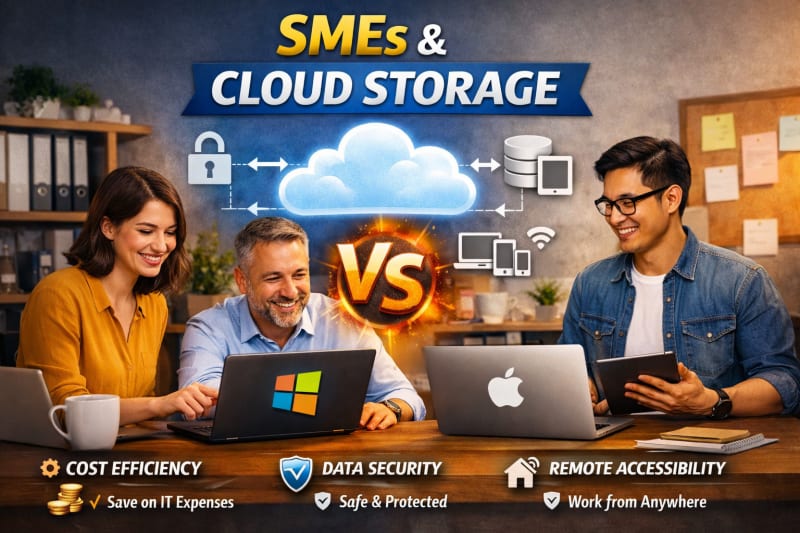
Small and medium-sized enterprises (SMEs) are the backbone of Nigeria’s economy, but many businesses still face challenges managing information, collaborating with teams, and protecting important documents.
As businesses grow, traditional methods of storing files on individual computers, USB drives, and physical documents can become inefficient. Files may become difficult to find, employees may struggle to access information, and important data can be lost due to unexpected problems.
Cloud storage provides a modern solution by allowing businesses to store, organize, and access their information securely through the internet.
For Nigerian SMEs, cloud storage is not only a file storage tool. It can improve productivity, reduce operational challenges, support remote work, and create more organized business processes.
This guide explains how Nigerian SMEs can use cloud storage to improve efficiency, streamline daily operations, and build stronger digital systems.
How Cloud Storage Improves Business Efficiency
Efficiency is about achieving better results while using available resources wisely. For Nigerian SMEs, cloud storage can improve efficiency by making information easier to manage, access, and share.
Instead of depending on scattered files and physical storage devices, businesses can create organized digital systems that support faster and smarter operations.
1. Faster Access to Business Information
Cloud storage allows employees and business owners to find important files quickly.
Instead of searching through:
- Multiple computers
- USB drives
- Paper documents
- Different storage devices
businesses can store files in organized cloud folders and access them when needed.
This saves time and improves decision-making.
2. Better Team Collaboration
Many SMEs work with employees, partners, or contractors who need access to shared information.
Cloud storage makes collaboration easier by allowing teams to:
- Share documents
- Edit files together
- Review updates
- Work from different locations
This reduces delays caused by sending multiple copies of files.
3. Reduced Dependence on Physical Storage
Traditional storage methods have limitations.
Businesses that rely heavily on:
- External hard drives
- Flash drives
- Individual computers
may face problems such as lost files, damaged devices, and difficulty sharing information.
Cloud storage reduces dependence on physical storage equipment.
4. Improved Remote Work
Remote and flexible work have become more common among businesses.
Cloud storage allows employees to access business files from:
- Home
- Different offices
- Client locations
- Mobile devices
This helps businesses maintain productivity beyond a traditional office environment.
5. Better File Organization
Disorganized files can slow down business operations.
Cloud storage allows SMEs to create structured systems for:
- Customer records
- Financial documents
- Projects
- Marketing materials
- Internal reports
A well-organized system makes information easier to manage.
6. Automated File Synchronization
Cloud storage can automatically update files across connected devices.
This helps employees work with the latest version of documents and reduces confusion caused by duplicate files.
7. Easier Business Expansion
As businesses grow, their storage needs increase.
Cloud storage allows SMEs to:
- Add more users
- Increase storage capacity
- Create new folders and systems
without investing heavily in new physical infrastructure.
Cloud storage improves business efficiency by reducing wasted time, improving collaboration, and creating a more organized way of managing information. For Nigerian SMEs, it can become an important tool for building modern and productive operations.
Ways Nigerian SMEs Can Use Cloud Storage in Daily Operations
Cloud storage is more than a place to keep files. Nigerian SMEs can use it as a business management tool that improves daily activities, communication, and productivity. For more information about cloud storage, read, Cloud Storage Security Tips for Nigerian Businesses(2026).
Here are practical ways businesses can integrate cloud storage into their operations.
1. Managing Business Documents
Every business creates and receives important documents.
Cloud storage can be used to manage:
- Contracts
- Invoices
- Receipts
- Reports
- Business policies
- Registration documents
Instead of keeping files on different computers, businesses can create a central digital document system.
2. Managing Customer Information
Customer information is essential for maintaining good relationships.
Businesses can store:
- Customer records
- Service history
- Communication records
- Customer agreements
A well-organized system helps businesses respond faster to customer needs.
3. Sharing Files With Employees
Employees often need access to the same information to complete their tasks.
Cloud storage makes it easier to share:
- Work documents
- Project files
- Company resources
- Training materials
Business owners can control who can view or edit specific files.
4. Managing Marketing Materials
Marketing requires businesses to create and store many digital assets.
Cloud storage can organize:
- Social media designs
- Advertisements
- Product images
- Videos
- Content calendars
Marketing teams can quickly access materials when creating campaigns. Learn more about cloud storage by reading, How to Back Up Business Data in Nigeria: Complete Guide for SMEs(2026).
5. Supporting Accounting and Finance
Financial records require proper organization and protection.
Businesses can store:
- Sales reports
- Expense records
- Budget documents
- Tax information
This makes financial management easier. If you want to learn about cloud storage solutions,read, Cloud Storage Solutions for Nigerian Businesses: Complete Guide(2026).
6. Managing Projects
Businesses working on projects can use cloud storage to organize:
- Project plans
- Client documents
- Progress reports
- Deliverables
Team members can access updated information without requesting files repeatedly.
7. Creating Business Backups
Cloud storage provides a convenient way to protect important files.
Businesses can back up:
- Company documents
- Customer data
- Digital assets
- Operational records
This reduces the impact of unexpected data loss.
8. Supporting Remote Teams
Businesses with remote employees or contractors can use cloud storage to create a shared workspace.
Team members can collaborate without needing to be physically present in the same location. We are recommending this HP Envy 16-ac0033dx x360 2-in-1 Laptop to you, for online and offline tasks.
By integrating cloud storage into daily operations, Nigerian SMEs can reduce manual processes, improve communication, and create more efficient workflows.
Cloud Storage for Different SME Industries in Nigeria
Different industries have different operational needs, but almost every business creates digital information that needs to be stored, organized, and protected.
Cloud storage can help Nigerian SMEs across various sectors improve efficiency and manage their operations better.
1. Schools and Educational Businesses
Schools handle large amounts of important information, including:
- Student records
- Examination materials
- Lesson resources
- Staff documents
- Administrative files
Cloud storage helps schools:
- Organize records
- Share learning materials with teachers
- Protect important documents
- Access files from different locations
It can also support digital learning initiatives.
2. Retail Businesses
Retail businesses manage information such as:
- Product images
- Inventory records
- Supplier details
- Sales reports
Cloud storage allows retailers to:
- Access product information quickly
- Share updates with employees
- Maintain organized records
This improves daily business management.
3. Creative Businesses
Designers, photographers, video creators, and marketing agencies handle large digital files.
Cloud storage helps creative SMEs manage:
- Design projects
- Videos
- Images
- Client files
- Portfolio materials
Teams can share files with clients and collaborate more easily.
4. Professional Service Businesses
Businesses such as consultants, accountants, and legal service providers manage sensitive documents.
Cloud storage helps them:
- Organize client records
- Control document access
- Protect important files
- Improve collaboration
Security features are especially important for these businesses.
5. Startups and Technology Businesses
Startups often work with small teams and limited resources.
Cloud storage helps startups:
- Manage project files
- Support remote teams
- Reduce infrastructure costs
- Scale as the business grows
It allows startups to build efficient digital workflows.
6. Healthcare and Wellness Businesses
Healthcare-related businesses manage sensitive information.
Cloud storage can help organize:
- Client records
- Appointment information
- Business documents
These businesses should prioritize security and proper access controls.
7. Food and Hospitality Businesses
Restaurants, caterers, and hospitality businesses can use cloud storage for:
- Menus
- Supplier records
- Marketing materials
- Financial documents
- Staff information
This helps improve organization and communication.
8. Real Estate Businesses
Real estate companies manage many documents and media files.
Cloud storage can be used for:
- Property documents
- Client information
- Property images
- Contracts
Agents can access important files while working outside the office. This powerful Lenovo ThinkPad E15 Gen 4 Laptop can make your work easier to do.
Cloud storage provides value across different industries because every modern business depends on information. Nigerian SMEs can improve efficiency by choosing solutions that match their industry requirements and operational goals.
How to Choose the Right Cloud Storage Strategy for Your SME
Choosing the right cloud storage strategy is not only about selecting a storage provider. Nigerian SMEs need a system that matches their business goals, workflow, security needs, and budget.
A well-planned strategy helps businesses get the maximum benefit from cloud technology while avoiding unnecessary costs and risks.
1. Understand Your Business Needs
Start by identifying what your business needs cloud storage for.
Ask questions such as:
- What types of files do we store?
- How many employees need access?
- How frequently do files change?
- Do we work remotely?
- How sensitive is our information?
Understanding your needs helps you avoid choosing an unsuitable solution.
2. Choose the Right Storage Capacity
Different businesses require different amounts of storage.
Consider your current and future needs:
- Small document-based businesses may need less storage
- Creative businesses may require more space for videos and images
- Growing companies need room for expansion
Choose a solution that can grow with your business.
3. Prioritize Security
Business information should always be protected.
Look for features such as:
- Two-factor authentication
- Access permissions
- Encryption
- File recovery
- Activity monitoring
Security should not be sacrificed to reduce costs.
4. Consider Collaboration Requirements
If your team works together on files, choose a platform with strong collaboration features.
Important features include:
- Shared folders
- File editing
- Comments
- Version history
- User controls
This improves teamwork and productivity.
5. Evaluate Cost and Value
Small businesses should consider the total value of a cloud storage solution.
Compare:
- Subscription costs
- Storage limits
- Features included
- Number of users supported
The cheapest option may not always provide the best value.
6. Plan for Internet Reliability
Cloud storage depends on internet access.
Businesses should consider:
- Internet availability
- Data costs
- Upload and download requirements
Companies handling large files should plan their internet resources carefully.
7. Create Backup Procedures
Cloud storage should be part of a wider data protection plan.
A good strategy may include:
- Cloud storage
- Offline backups
- Recovery procedures
This provides stronger protection against data loss.
8. Train Employees
Technology works best when employees know how to use it properly.
Provide training on:
- File organization
- Security practices
- Sharing permissions
- Company storage policies
9. Review the Strategy Regularly
Business needs change over time.
Review your cloud storage strategy when:
- Your team grows
- Your data increases
- New tools are introduced
- Business operations change
The right cloud storage strategy helps Nigerian SMEs improve efficiency, protect information, and build reliable digital systems that support long-term growth.
Challenges Nigerian SMEs May Face When Using Cloud Storage
Although cloud storage offers many benefits, Nigerian SMEs may experience some challenges when adopting and using cloud solutions. Understanding these challenges helps businesses prepare better strategies and avoid common problems.
1. Internet Connectivity Issues
Cloud storage depends on internet access for uploading, downloading, and synchronizing files.
Some businesses may experience challenges such as:
- Slow internet speeds
- Unstable connections
- High data costs
Businesses can manage this by choosing efficient storage practices and maintaining offline access to important files when possible.
2. Cost Concerns
While cloud storage can reduce hardware expenses, some businesses may find subscription costs challenging.
Costs may increase as businesses require:
- More storage space
- Additional users
- Advanced security features
SMEs should choose plans that match their current needs and growth plans.
3. Security Concerns
Some business owners worry about storing sensitive information online.
Potential risks include:
- Unauthorized access
- Weak passwords
- Poor file-sharing practices
These risks can be reduced through proper security measures and employee training.
4. Lack of Technical Knowledge
Some SMEs may struggle with setting up and managing cloud storage systems.
Challenges may include:
- Creating folder structures
- Managing user permissions
- Understanding security settings
Proper training and simple solutions can help businesses overcome these barriers.
5. Employee Adoption
Employees may resist changing from traditional storage methods to cloud systems.
Common reasons include:
- Lack of familiarity
- Fear of making mistakes
- Preference for old methods
Businesses should provide guidance and explain the benefits of the new system.
6. Data Migration Challenges
Moving existing files to the cloud can be time-consuming.
Businesses may need to:
- Organize old files
- Remove duplicates
- Transfer large amounts of data
A planned migration process makes the transition easier.
7. Choosing the Wrong Provider
Selecting an unsuitable cloud storage provider can create problems.
Businesses should evaluate:
- Security features
- Reliability
- Pricing
- Customer support
- Scalability
8. Dependence on External Providers
Cloud storage means relying on a third-party service provider.
Businesses should consider:
- Provider reliability
- Data recovery options
- Backup strategies
A good cloud strategy should include contingency plans.
Despite these challenges, cloud storage remains a valuable tool for Nigerian SMEs.
With proper planning, security practices, and the right provider, businesses can overcome these barriers and enjoy the benefits of improved efficiency and digital organization. Check out this HP Elite x360 830 G11 Intel Core Ultra 7.
Practical Steps to Start Using Cloud Storage in Your SME
Adopting cloud storage does not have to be complicated. Nigerian SMEs can begin with simple steps and gradually build a stronger digital storage system as the business grows.
The following steps can help businesses start using cloud storage effectively.
1. Identify Files That Need to Be Stored
Begin by reviewing your existing business files.
Identify important information such as:
- Customer records
- Financial documents
- Contracts
- Employee records
- Marketing materials
- Project files
Prioritize files that are important for daily operations.
2. Choose a Suitable Cloud Storage Provider
Select a provider based on your business requirements.
Consider:
- Storage capacity
- Security features
- Cost
- Collaboration tools
- Ease of use
Small businesses can start with simple solutions and upgrade as their needs increase.
3. Create a Business Storage Structure
Before uploading files, create an organized folder system.
For example:
Business Administration